

Here’s the Right Way to Remove Hammerhead Worms from Your Garden
The last thing anyone wants to discover while gardening is an invasive species that can multiply when you try to kill it.
Unfortunately, that's exactly what can happen with hammerhead worms.
After writing about these bizarre invasive worms last year, I've continued seeing reports of them popping up around the Evansville area. They aren't just unsettling to look at. They also secrete a neurotoxin and can regenerate into multiple worms if they're cut into pieces.
So, if you find one in your yard or garden, resist the urge to grab the shovel.

Don't Chop Them Up
One of the biggest mistakes people make is cutting hammerhead worms in half.
Unlike earthworms, many species of hammerhead worms can regenerate from body fragments, meaning one worm can potentially become several.
That's the exact opposite of what you want.
Instead, experts recommend removing the entire worm intact.
The Best Way to Kill a Hammerhead Worm
Experts say the safest and most effective method is surprisingly simple.
Using gloves, tongs, or another tool:
1. Pick up the entire worm
2. Place it into a sealed container or plastic bag
3. Add either:
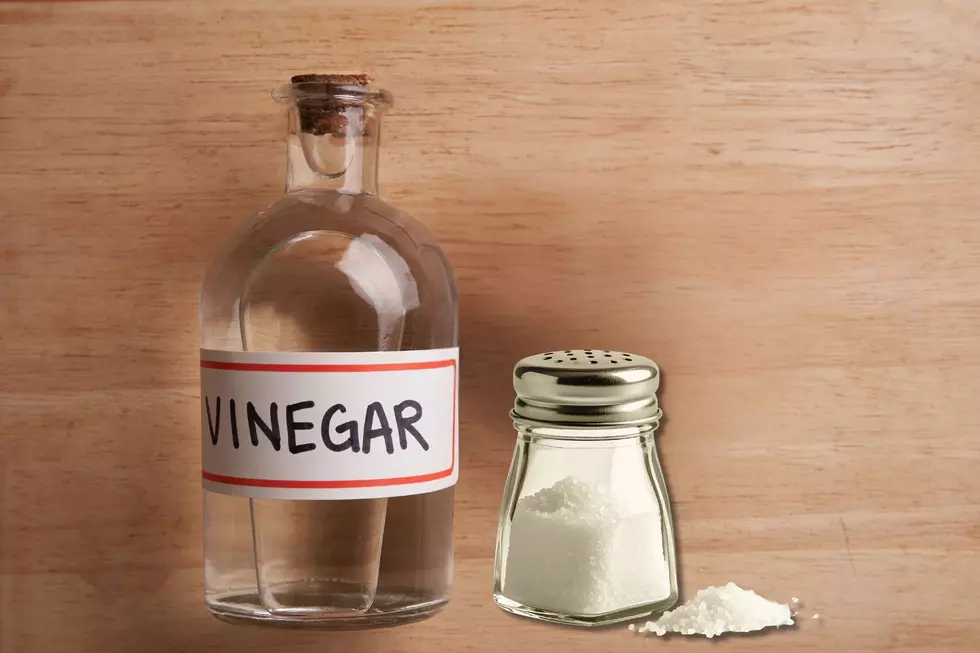
- Salt
- Vinegar
- Citrus Oil
- Soapy Water
4. Seal the container and allow the worm to dehydrate and die.
Some experts also recommend placing the sealed container in the freezer overnight before disposing of it.
The goal is to completely eliminate the worm without giving it the opportunity to regenerate.
Avoid Pouring Salt or Vinegar Into Your Garden
You may hear people recommend pouring salt directly onto the worm while it's in your flower bed.
While salt will kill the worm, it can also damage your soil.
The same is true for vinegar.
Both can harm nearby plants and beneficial organisms that actually belong in your garden.
Using salt or vinegar inside a sealed container instead keeps those materials where they belong and protects your landscaping.
What About Nail Polish Remover?
Like most things on the internet, you will find plenty of DIY suggestions.
One method making the rounds online involves using acetone, such as nail polish remover, to dissolve hammerhead worms.
While acetone can break down soft tissue, there isn't the same level of expert consensus behind this method as there is for salt, vinegar, citrus oil, freezing, or soapy water.
If someone chooses to use acetone, it should only be done inside a suitable container and never directly on the ground.
Additionally, acetone should never be used in a styrofoam container. It can rapidly dissolve styrofoam, creating an even bigger mess.
Protect Yourself While Handling Them
Hammerhead worms produce a neurotoxin called tetrodotoxin, the same toxin found in pufferfish.
While casual skin contact isn't generally considered dangerous, experts recommend avoiding direct contact whenever possible.
Wear gloves or use a tool to handle the worm, then wash your hands thoroughly afterward.
See one? Learn how to Identify It
Hammerhead worms are easy to recognize once you know what to look for.
Their wide, shovel-shaped heads give them their name, and they can grow surprisingly long compared to ordinary earthworms, reaching as much as a foot in length.
If you've found one, you are encouraged to report it to the Indiana Department of Natural Resources through their website, or you can call 1-866-NO-EXOTICS.
Here's What to Plant to Attract Wildlife to Your Garden
Gallery Credit: Kat Mykals
More From WGBF-FM


